
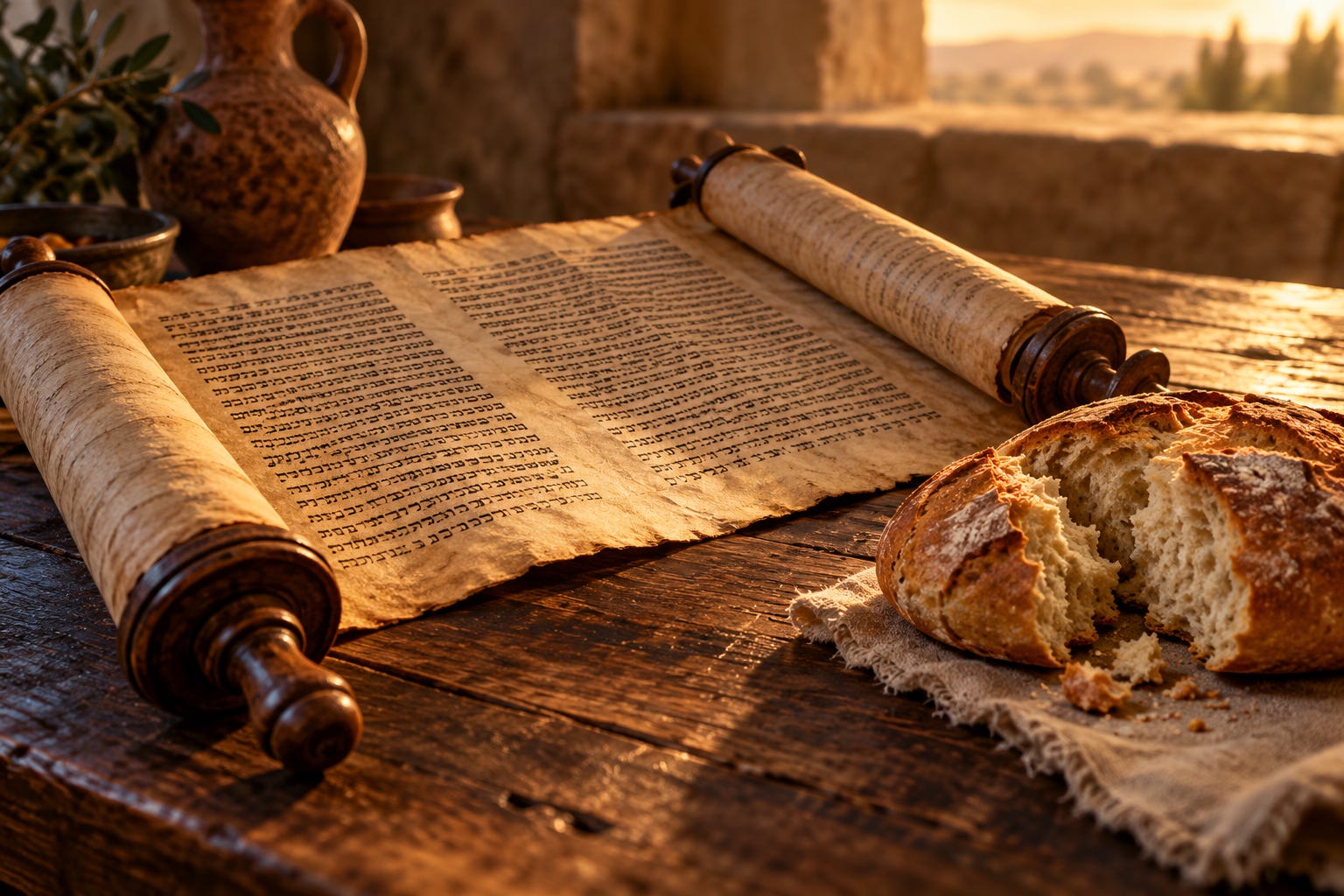
Eat This Book
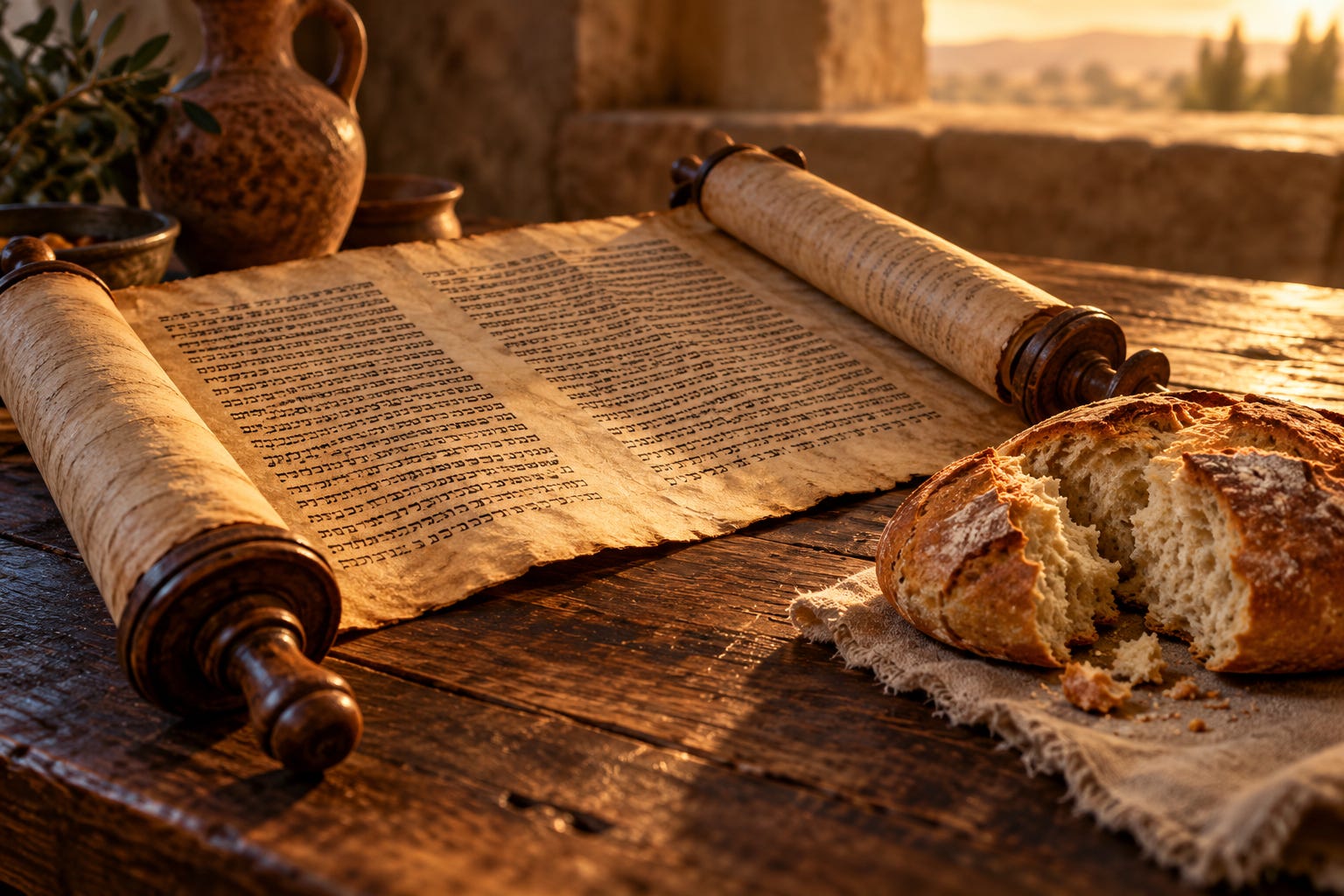
“And I went unto the angel, and said unto him, Give me the little book. And he said unto me, Take it, and eat it.” — Revelation 10:9 (KJV)
We live in an time of unlimited information. We read books, listen to sermons, attend Bible studies, watch teaching videos, and share inspirational Scriptures. We have more access to the Word of God than any generation before us.
But access to the Word and transformation by the Word are vastly different
It is possible to have a head knowledge of Scripture without allowing Scripture to transform us. We can quote verses about forgiveness while holding grudges, teach about generosity while living selfishly, and speak about faith while allowing fear to govern our decisions.
The question is not how much of the Word we have read or heard, but how much of the Word has become part of us.
The Strange Command in Revelation
In Revelation 10, John comes face to face with an angel holding a little book or scroll. A voice from heaven instructs John to take it.
But John is not told only to read the scroll, but to consume it.
Actually, he is told to eat it.
John obeys. The scroll tastes sweet as honey in his mouth, but when he swallows it, his stomach becomes bitter.
Then comes the instruction: he must prophesy again concerning many peoples, nations, tongues, and kings.
John must first consume the message, digest it and then share it. Like anything we consume, it must become part of him. It cannot remain external to who he must become.
The Word must become part of the messenger before it becomes the message he delivers.
This is not the first time that the Bible instructs someone to Eat This Book.
Ezekiel Ate the Word Too
In the Old Testament, God gave the prophet Ezekiel the same instructions.
“Son of man, eat that thou findest; eat this roll, and go speak unto the house of Israel.” — Ezekiel 3:1 (KJV)
Ezekiel was told to eat a scroll containing lamentations, mourning, and woe (Ezekiel 2:10). Yet when he ate it, just like John it was sweet as honey in his mouth.
On thing to note, the contents of the scroll were bitter to the stomach, but receiving God’s Word was sweet.
This is a reminder that the goodness of God’s Word is not determined by how comfortable it makes us feel.
There are times when scripture encourages us and at other times it challenges us.
Sometimes it reassures us of God’s promises. Other times it exposes our pride, challenges our assumptions, or calls us to surrender something we would rather keep.
The Word can be sweet in its truth and bitter in the requirements and consequences of faithfully walking in it.
Just as in the natural, some of the healthiest foods are not always the sweetest.
Reading the Bible or Being Read by It?
Eugene Peterson talks about this concept in his book Eat This Book: A Conversation in the Art of Spiritual Reading.
Peterson challenges the tendency to approach Scripture only as information to be acquired. Instead, he encourages us to receive it as God’s revelation, allowing it to shape the way we live.
We often approach the Bible with questions we want answered. We look for principles that will improve our lives, promises that will reassure us, or passages that support what we already believe.
But what happens when Scripture asks or demands answers from us?
What happens when the Word discerns the thoughts and intents of our hearts and finds us lacking?
Hebrews 4:12 also describes the Word of God as living and powerful, able to separate the soul and spirit.
We may begin by examining the Scriptures, only to discover that the Scriptures are examining us.
We cannot expect to be transformed by a Word we are unwilling to be corrected by.
Digestion Takes Time
Think about what happens when we eat.
Food enters our mouths, but its real benefit comes through digestion. Our bodies break it down, absorb its nutrients, and use them to sustain life.
This is what happens spiritually as well.
Reading introduces us to the Word. Meditation allows us to consider its meaning. Obedience allows that Word to shape our lives.
Jeremiah says it this way:
“Thy words were found, and I did eat them; and thy word was unto me the joy and rejoicing of mine heart.” — Jeremiah 15:16 (KJV)
In his epistle, James the brother of Jesus warns us not to be hearers of the Word only, deceiving ourselves (James 1:22).
The danger is that we may mistake familiarity with Scripture for spiritual maturity.
Knowing what the Bible says about patience does not necessarily make us patient. Understanding biblical generosity does not automatically make us generous. Being able to explain forgiveness does not mean we have forgiven those who have sinned against us.
Transformation occurs as the truth we receive begins to dictate the choices we make.
And that process takes time.
From Consumption to Transformation
We need to reexamine the way we approach scripture.
Instead of asking only, “What did I learn?” we might also ask:
-
What did this passage reveal about God?
-
What did it expose about my own heart?
-
What attitude or behavior needs to change?
-
What would obedience to this passage look like today?
These questions move us from the process of acquiring knowledge toward developing a transformed life.
We should not measure our spiritual growth simply by the number of chapters we have read, sermons we have heard, or Bible studies we have attended.
A more revealing measure may be how the Word is changing the way we respond when life does not go as planned.
Are we becoming more patient? More generous? More forgiving? More content? More obedient?
Is the fruit of the spirit apparent and growing in our lives? Are we abiding in Christ or are we simply acquainted with Him.
These are signs that the Word is moving beyond our minds and taking root in our hearts.
The Word Must Become Flesh in Our Everyday Lives
John 1:14 declares that the Word became flesh and dwelt among us.
In Jesus, truth was lived before it was explained.
As His disciples, we are called to embody His teachings in the ordinary circumstances of life.
The Word we read on Sunday should influence how we speak to our spouses on Monday, how we treat our coworkers on Tuesday, how we manage our finances on Wednesday, and how we respond to disappointment on Thursday.
It should shape our decisions when no one is watching.
Because the goal is not to be people who can recite scripture.
The goal is to become people whose lives increasingly reflect the God revealed in the Bible.
A Closing Reflection
There is something we need to reflect on about John’s experience in Revelation 10.
After eating the scroll, John was told to prophesy again.
The Word he received was not meant to remain within him. It was meant to be expressed through him to the churches of his era and to an even broader audience.
This gives us a clue about God’s intent for His word.
We do not read Scripture simply to accumulate knowledge. We receive it so that our lives can become a testimony to its truth.
So that we can become living epistles, known and read by all men.
Read it. Reflect on it. Wrestle with it. Allow it to challenge you. Then put it into practice.
Don’t just read the Book. Eat it.
Because information was never the goal; transformation was always God’s intention.
Thank you for reading. If this has blessed you consider supporting my work. I have a book coming out on November 16. Click the link below to preorder.